Braided Styles That Actually Last: Fun Hairstyles for Busy Days & Sparkly Nights
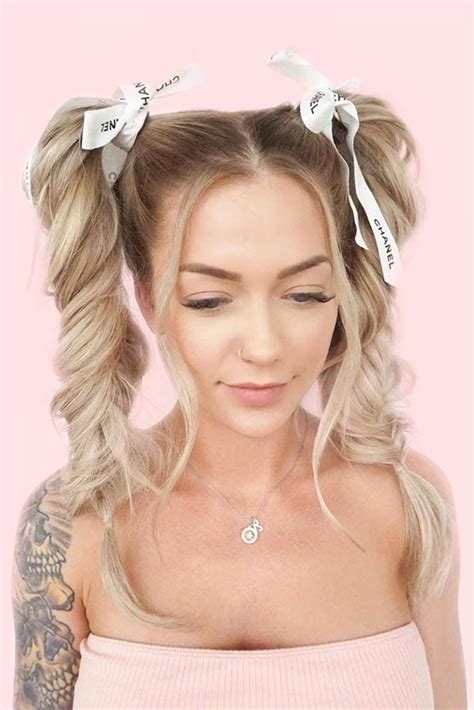
The Holy Grail: Hairstyles That Survive the Day
You know the drill. The morning starts with a beautiful, intricate braid that looks like it belongs in a storybook. By lunchtime, it's a memory—a few strands are loose, an elastic has mysteriously disappeared, and what's left looks more 'wind tunnel' than 'wonderful.' And if there's a special event like a dance recital or school play that same day? Forget about it.
The dream is a style that's both adorable and unshakable. Something that can handle recess, snack time, and a costume change without turning into a frizzy mess. Good news: that dream is totally achievable. We're moving beyond simple plaits into the world of braided hairstyles built for real life. These looks combine clever techniques with secure methods to ensure your little one's hair looks fantastic from the first bell to the final bow.
Your Braiding Toolkit: The Essentials for Success
Before we dive into the styles, let's talk tools. Having the right gear makes all the difference between a style that lasts and one that falls apart. Here's what you'll want to have on hand:
- Sectioning Clips: These are non-negotiable for keeping hair organized and tangle-free while you work.
- Fine-Tooth Comb & Tail Comb: The fine-tooth comb is for detangling and smoothing. The tail comb's pointy end is perfect for creating clean, precise parts.
- Strong, Snag-Free Elastics: Look for ones labeled 'ouchless' or 'no-metal.' Silicone-lined ones are excellent for grip without breakage.
- Light-Hold Misting Spray: A bit of moisture helps control flyaways and makes hair more manageable. Avoid heavy gels that can cause flaking.
- Small, Clear Elastic Bands: These are invisible heroes for securing the ends of small braids within larger styles.
- Soft-Bristle Brush: A gentle brush is key for smoothing without pulling.
Style 1: The "Double-Dutch Ribbon Loop"
Durability Score: 10/10 | Perfect For: School Picture Day & Ballet Class
This style is a superstar because it distributes hair evenly and anchors ribbons into the braid itself. The loops at the end are not just cute—they act as a counterweight, keeping the braids from sagging. It's surprisingly comfortable because the Dutch braid technique (braiding pieces under instead of over) keeps the style flat against the head without pulling.
Step-by-Step Guide:
- Prep & Part: Start with detangled, slightly damp hair. Create a clean center part from forehead to nape.
- Add Your Ribbon: On one side, take a long satin ribbon. Place the midpoint at the hairline where you'll start braiding. You'll be braiding the ribbon right in with the hair.
- Begin the Dutch Braid: Take a small triangle of hair at the front. Split it into three sections, with the ribbon tails in the two outer sections. Begin a regular braid, but instead of crossing sections over the middle, cross them under. This makes the braid pop out.
- Incorporate More Hair: As you braid down, add small sections of hair from the scalp into the outer strands before crossing them under. Continue this all the way to the nape of the neck, then finish with a regular three-strand braid. Secure the end with a clear elastic.
- Create the Loop: Take the end of the braid and fold it up, tucking the tip under the base of the braid near the elastic at the nape. Use a bobby pin (or two) to secure the loop in place. Tie the ribbon ends into a pretty bow over the pin to hide it.
- Repeat on the Other Side.
Pro-Tip for Performance Day: Once the loops are pinned, give them a light mist with hairspray and gently smooth any wisps. The ribbons can be color-coordinated with a costume!
🎥 Watch a Similar Tutorial on YouTubeStyle 2: The "Braided Fairy-Tale Crown"
Durability Score: 9/10 | Perfect For: All-Day School & Piano Recitals
This style keeps all the hair completely off the face and neck, making it ideal for focusing in class or staying cool under stage lights. Because it's woven around the head, it's incredibly secure—almost like a built-in headband. It looks intricate but is made up of simple braids cleverly pinned together.
Step-by-Step Guide:
- Create the Base Braids: Part hair down the middle. On each side, starting at the temple, create two or three small, neat French or Dutch braids going straight back towards the ear. Secure the ends with clear elastics. These don't need to go all the way down; just 3-4 inches is plenty.
- Start the Crown: On one side, take the first small braid. Gently pull it across the top of the head towards the opposite ear. Use a bobby pin to secure it discreetly against the scalp where the other small braids begin.
- Weave & Pin: Take the next braid from the same side and pull it over, slightly overlapping the first. Pin it down. Continue with all the small braids from that side, creating a "band" across the top of the head.
- Incorporate the Other Side: Repeat the process with the small braids from the other side, weaving them in the opposite direction to meet the first set. Pin the ends where they meet.
- Finish the Look: The hair at the back can be left down in soft waves, gathered into a low ponytail, or twisted into a simple bun. For extra security, you can twist the back hair and tuck the ends under the woven crown, pinning it in place.
Pro-Tip for Comfort: Keep the braids a little looser near the hairline to avoid tension. The style is held by the pins, not tight braiding.
Style 3: The "Side-Swept Stage Slinger"
Durability Score: 8/10 | Perfect For: Sports Day & Jazz/Tap Performances
This is the ultimate active style. The braid acts as a headband to catch any flyaways, and the ponytail is anchored by it, meaning it won't droop or swing too wildly during high-energy movement. Adding a few lightweight beads or clips to the braid makes it instantly stage-ready.
Step-by-Step Guide:
- Create a Deep Side Part: Brush all hair to one side. A deep part (almost from the opposite temple) works best.
- Braid the "Headband": Starting just above the ear on the heavier side, begin a Dutch or French braid. Braid along the hairline, across the forehead, and continue all the way around to the nape of the neck on the other side, incorporating hair as you go. Secure the end.
- Gather the Ponytail: Gather all the remaining hair, including the tail of the braid, into a mid-height ponytail on the lighter side of the head. Use a strong elastic.
- Add Fun Details: You can leave the ponytail as-is, twist it into a bun, or braid it. This is where you can add a few decorative beads to the braided headband or a sparkly scrunchie on the ponytail.
Pro-Tip for Security: After securing the ponytail, wrap a small piece of hair around the elastic and pin it underneath. This hides the elastic and adds an extra point of grip.
Your Top 5 Questions, Answered
Q: How do I prevent braids from getting fuzzy by the end of the day?
A: A light mist of leave-in conditioner or a spray designed for braiding before you start is key. It smooths the cuticle. For extra-slick styles on performance days, a tiny drop of hair oil rubbed between your palms and smoothed over the surface of the braid works wonders.
Q: My child says braids hurt her head. What can I do?
A> Comfort is everything! Braid over slightly damp hair (it's more elastic), and never pull strands tightly from the scalp. If she's sensitive, opt for styles that start looser, like the Side-Swept Slinger, or use the Dutch braid technique which lays flatter. Always check in during the process.
Q: What's the best way to take these styles out without tears?
A: Patience and conditioner are your friends. Gently remove any pins or accessories. Then, spray the braids with a detangling spray or conditioner diluted with water. Use your fingers to slowly loosen the braids from the bottom up, working out any knots before brushing.
Q: How can I make a simple style look special for a performance?
A: Accessories are magic. Think tiny, secured clips that match a costume, satin ribbons woven in, or a few sparkly (but lightweight) bead cuffs on the ends of braids. Less is often more—one or two accents look deliberate and elegant.
Q: Any last-minute fix for a braid coming undone?
A> Always carry a few clear elastics and bobby pins in your bag. If a section pops loose, don't try to re-braid the whole thing. Gently twist the loose piece, wrap it around the nearest secure part of the braid, and pin it flat. It will look intentional!
The Final Bow: Confidence, Inside and Out
The real magic of a great braided hairstyle isn't just that it looks pretty in photos (though that's a lovely bonus). It's the confidence it gives. When hair isn't a distraction—when it feels secure and looks special—it lets the focus stay where it should be: on learning, playing, and shining under those bright lights. Here's to creating looks that are as resilient and wonderful as the kids wearing them.
Which style will you try first? Save this post by pinning the image below to your favorite hair ideas board!
